 EN / AU & NZ
4 min read
Why circular economy solutions make good business sense
Forward-thinking business leaders are always looking for ways to reduce their environmental footprint, decrease their workplace waste, and make more...
4 min read
Over the past two decades, global material consumption has surged dramatically. According to the Global E-waste Monitor 2024, electronic waste has reached a record 62 million tonnes in 2022, representing an 82% increase from 2010, with projections indicating this will climb to 82 million tonnes by 2030. Meanwhile, Australia's circularity rate stands at just 4.3%, significantly below the global average of 6.9%, highlighting the urgent need for innovative waste recovery solutions.
The stark reality is clear: 95.5% of Australia's resources are used for a single purpose or wasted, according to the Australian Bureau of Statistics. Research by the Circle Economy Foundation suggests a critical need to reduce material extraction and consumption, particularly as these activities are linked to 70% of greenhouse-gas emissions worldwide.
A favoured solution to these challenges is creating a "circular economy", where products reaching the end of their usable life are repurposed or transformed back into manufacturing materials, beginning the cycle anew. This approach not only conserves resources but also supports global climate goals and economic sustainability.
|
|
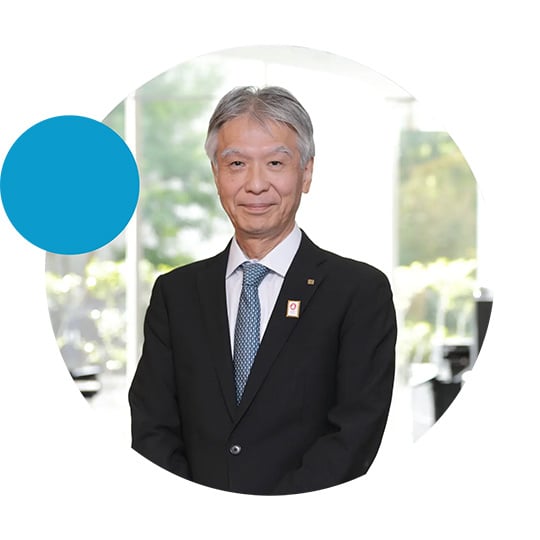
“The commitment to sustainability embodies Kyocera’s management philosophy. Through this, we are passing on a company that can continue to grow into the future, and a liveable society to the next generation.” Hironori Ando, president, Kyocera Document Solutions |
Leading organisations are embracing circular economy principles with innovative solutions. Kyocera Document Solutions, which provides office printers, multifunction devices, and comprehensive document-related services, exemplifies this commitment through ground breaking recycling initiatives.
Kyocera Document Solutions' parent company, the Japan-based Kyocera Corporation, produces multilayer ceramic chip capacitors (MLCC) used in a wide range of industrial applications, including electronics. The manufacturing process for MLCC involves sheets of polyethylene terephthalate (PET) film. Because these sheets end up with ceramic residue on their surface, recycling the film has traditionally been challenging.
In an innovative company initiative aligned with Kyocera's 2025 environmental goals, this remaining ceramic is now removed from the leftover PET film, and materials are developed for specific applications using the resulting plastic in parts for Kyocera Document Solutions' products, such as toner container bottles and internal components. An important condition for the use of the recycled PET is thorough testing to confirm that its quality and performance are equivalent to newly made material. After repeated testing, the company became the first in the industry to establish technology to upcycle recycled PET materials into components for MFPs and printers.
|
|
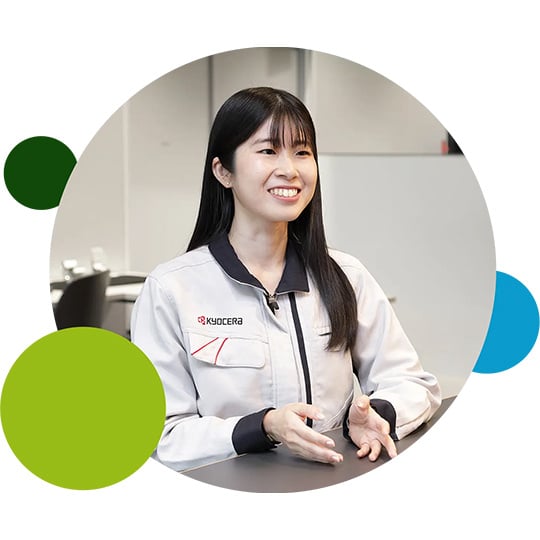
“The concept of sustainability is more familiar and taken for granted by younger generations. There will be a difference between our generation and the younger generation when we become seniors, so I feel that we need to update our way of thinking on a daily basis.” Rina Uenishi, corporate printing parts engineering, Kyocera Document Solutions |
Recycling used PET film for use in further products is part of a long company tradition of caring for nature and using resources efficiently. "Kyocera places importance on coexisting harmoniously with our society, our global community and nature," explains Hironori Ando, the president of Kyocera Document Solutions. "Based on this 'living together' concept, for more than 30 years we have been developing products that extend the life of components for printers and multifunction printers (MFPs), reduce their environmental burden and provide economic benefits to our customers."
As environmental sustainability becomes increasingly important to customers using Kyocera's products, the company is accelerating its efforts to contribute to a sustainable future. Kyocera has committed to achieving RE60 by 2031 (60% renewable energy) and a 46% reduction in greenhouse gas emissions compared to 2020 levels, demonstrating the ambitious scale of commitment required for meaningful environmental progress.
But sustainability goes deeper than targets—it's part of Kyocera's corporate identity and culture. "The commitment to sustainability embodies Kyocera's management philosophy," Ando explains. "Through this, we are passing on a company that can continue to grow into the future, and a liveable society to the next generation." Initiatives such as this PET recycling programme are helping to motivate newcomers to Kyocera's workforce whilst also conserving resources and protecting the environment.
Rina Uenishi works in a parts engineering section of Kyocera Document Solutions' corporate printing product division and is responsible for material development and evaluation for this PET recycling project. Her experience shows how the company's vision for the future helps it recruit talented staff. "When I started working, one of my requirements was whether the company was actively working on environmental issues," she says. Once at Kyocera Document Solutions, her interests led her to request involvement in the recycling initiative. "We hope that it will also attract the interest of our business partners and encourage them to work with us," she adds.
This represents a broader generational shift. According to CSIRO research, Australia could double its circularity rate by employing circular economy opportunities in housing, mobility, food and energy provision. The economic opportunity is substantial: meeting Australia's circular economy goals could add $26 billion to GDP annually whilst cutting greenhouse gas emissions by 14% and diverting 26 million tonnes of material from landfill each year.
As younger workers like Uenishi begin to assume management responsibility, Ando's aspiration is that they will bring a new perspective to their work, balanced with the wisdom of past experience. "We can sustainably change our work in technology development, sales and all other fields," he says. "I hope that the younger generation of employees will break invisible barriers and change things in a progressive way in the future."
By attracting determined younger people like Uenishi, Kyocera can develop a new generation of leaders with sustainability-related knowledge and skills. The company creates an environment where younger employees gain experience in finding sustainable solutions to practical challenges, such as increasing the share of recycled material in the company's products. In the future, the company plans to expand the use of recycled materials not only for toner containers but also for internal and external parts, aiming to increase the use of recycled materials to 50% per product.
This aligns with broader industry trends. The UN Environment Programme reports that investment in collection and recycling infrastructure could generate $38 billion in annual economic benefits by 2030, including improvements to human health, protection of valuable ecosystems, and growth in the recycling industry.
Uenishi observes that education has evolved to make more knowledge about sustainability available during her lifetime. "The concept of sustainability is more familiar and taken for granted by younger generations," she says. That gives her a reason to keep learning, improving environmental performance and adapting for the future. "There will be a difference between our generation and the younger generation when we become seniors," she says, "so I feel that we need to update our way of thinking on a daily basis."
The transition to a circular economy requires innovative thinking, robust infrastructure, and committed leadership. With global e-waste generation rising five times faster than documented recycling efforts, according to the Global E-waste Monitor 2024, businesses must take proactive steps to reduce waste and recover valuable materials.
Kyocera's comprehensive sustainability solutions demonstrate how organisations can integrate environmental responsibility into core business operations. From managed print services that reduce waste to long-life eco-friendly technology designed for durability and recyclability, the company's approach shows that sustainability and business success are not mutually exclusive.
As Australia works towards its Circular Economy Framework goal to double the nation's circularity rate to 8% by 2035, initiatives like Kyocera's PET recycling project provide practical examples of how innovation, commitment, and generational collaboration can transform waste into valuable resources—creating a more sustainable future for all.
KYOCERA Document Solutions supports Australian and New Zealand businesses on their digital transformation journey with innovative products and software solutions.

4 min read
Forward-thinking business leaders are always looking for ways to reduce their environmental footprint, decrease their workplace waste, and make more...
4 min read
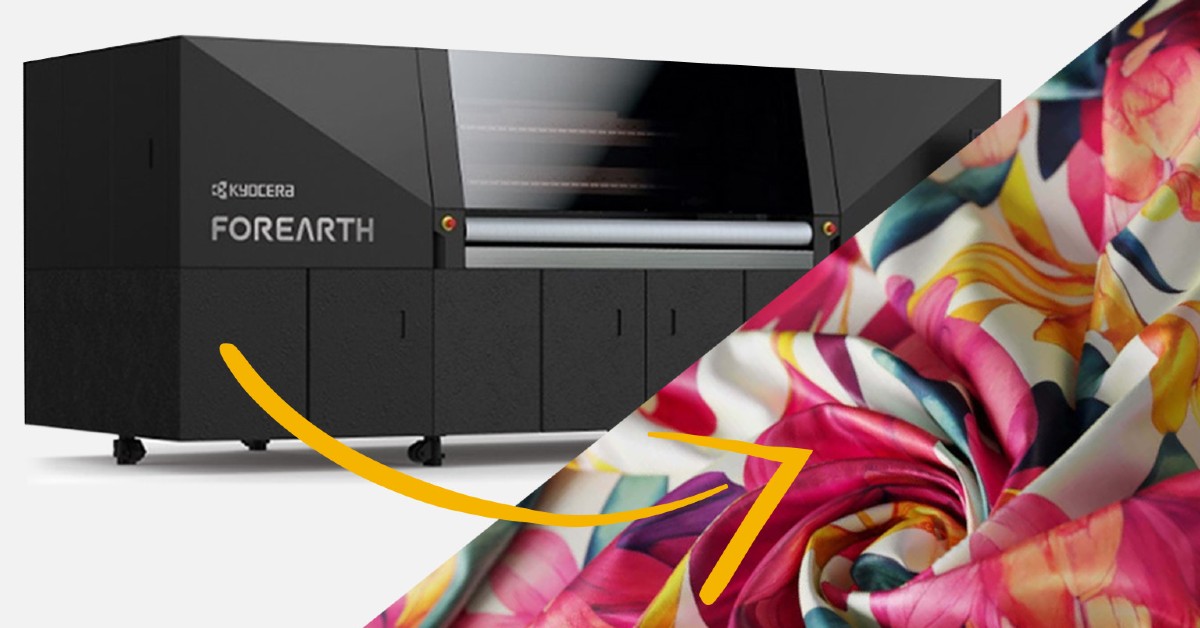
Kyocera’s new inkjet digital textile printer, FOREARTH, busts preconceptions in a way that could free fashion from the environmental and economic...

3 min read
It’s no secret that Managed Print Services have a lot of benefits to offer businesses, particularly in hybrid workplaces. With an integrated,...